
Call us now
08071790499
Call us now
08071790499
Mud blocks are traditional building materials manufactured from natural soil, clay, sand, and other suitable earth materials. They are widely used in sustainable construction because they are locally available, economical, and environmentally friendly. Mud blocks can be used for constructing walls, partitions, small buildings, rural houses, and other low-rise structures, depending on their strength and suitability.
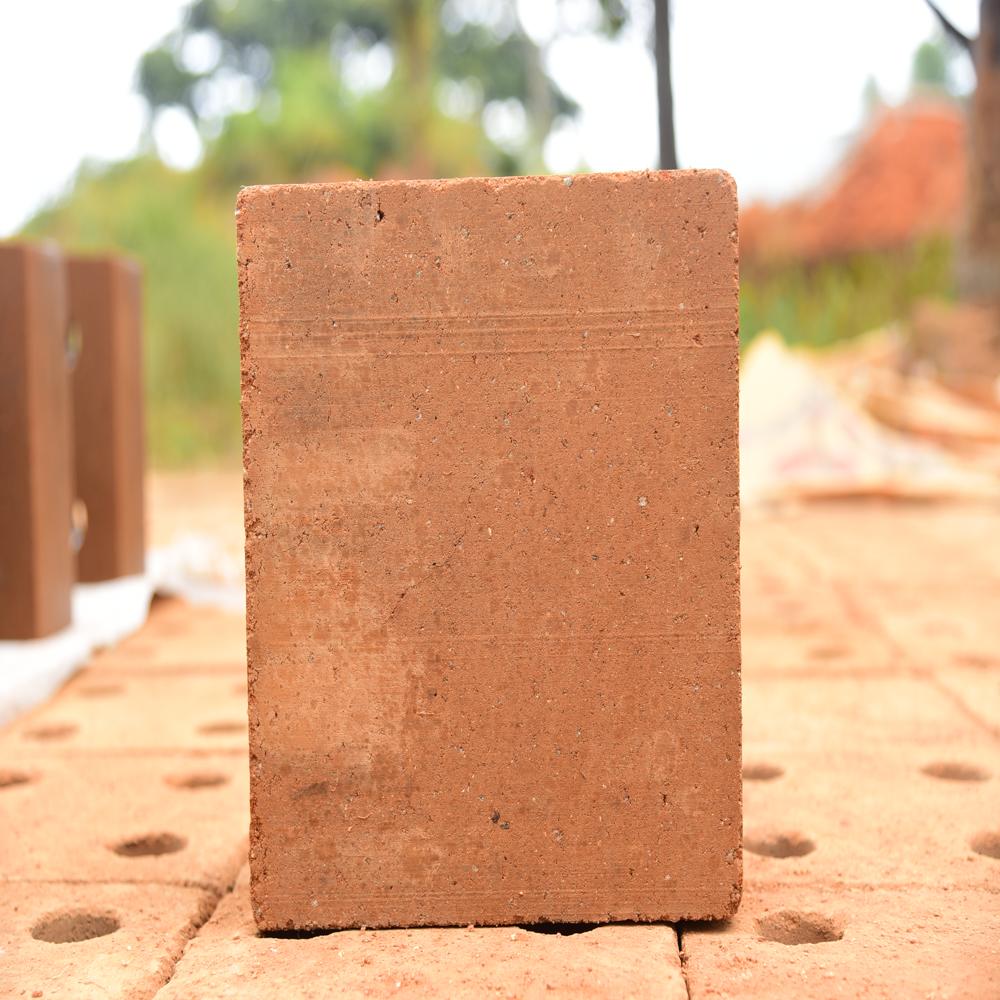
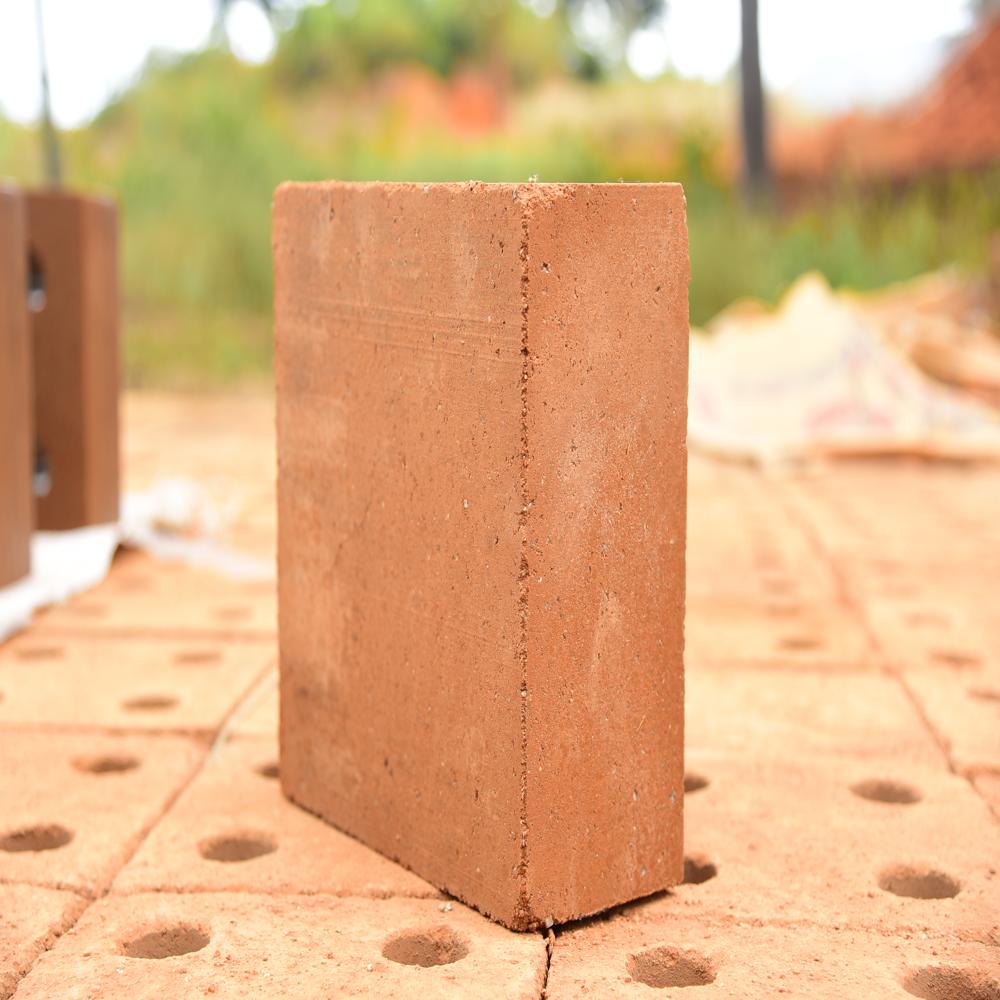
A mud block measuring 9 9 4 inches is a block with a nominal length of 9 inches, width of 9 inches, and height or thickness of 4 inches, depending on the specified orientation. These dimensions correspond to approximately 228.6 228.6 101.6 mm. The actual dimensions may vary slightly according to the manufacturing method and applicable specifications.
The main materials used in the production of mud blocks are:
Soil: The primary raw material, selected according to its clay, silt, and sand content.
Sand: Added when required to improve the soil composition and reduce excessive shrinkage.
Water: Used to obtain the proper moisture content for mixing and moulding.
Stabilizers: Materials such as cement or lime may be added to improve strength, durability, and resistance to moisture.
Natural fibres: Straw or other suitable fibres may be incorporated in some traditional mixes to help control cracking.
The selection and proportion of these materials depend on the soil characteristics, intended application, and required performance of the finished block.
The manufacturing process generally begins with the selection and preparation of suitable soil. Stones, roots, organic matter, and other unwanted materials are removed. The soil is then mixed with sand, water, and any specified stabilizers until a uniform mixture is obtained.
The prepared mixture is placed into a mould measuring 9 9 4 inches. It is compacted or pressed to achieve the required shape and density. Depending on the type of block, the product may be air-dried, sun-dried, or cured under controlled conditions.
Traditional mud blocks are generally dried naturally, while stabilized compressed earth blocks may require additional curing. Proper drying and curing are essential to reduce shrinkage cracks and improve the performance of the blocks.
Mud blocks have several physical characteristics that make them suitable for particular types of construction.
a. Dimensions: The nominal dimensions are 9 9 4 inches. The dimensions should be checked before construction to ensure uniformity and proper alignment.
b. Weight: The weight depends on soil composition, moisture content, density, and whether stabilizers are used. Therefore, the weight should be determined from the actual manufactured product rather than assumed from its dimensions alone.
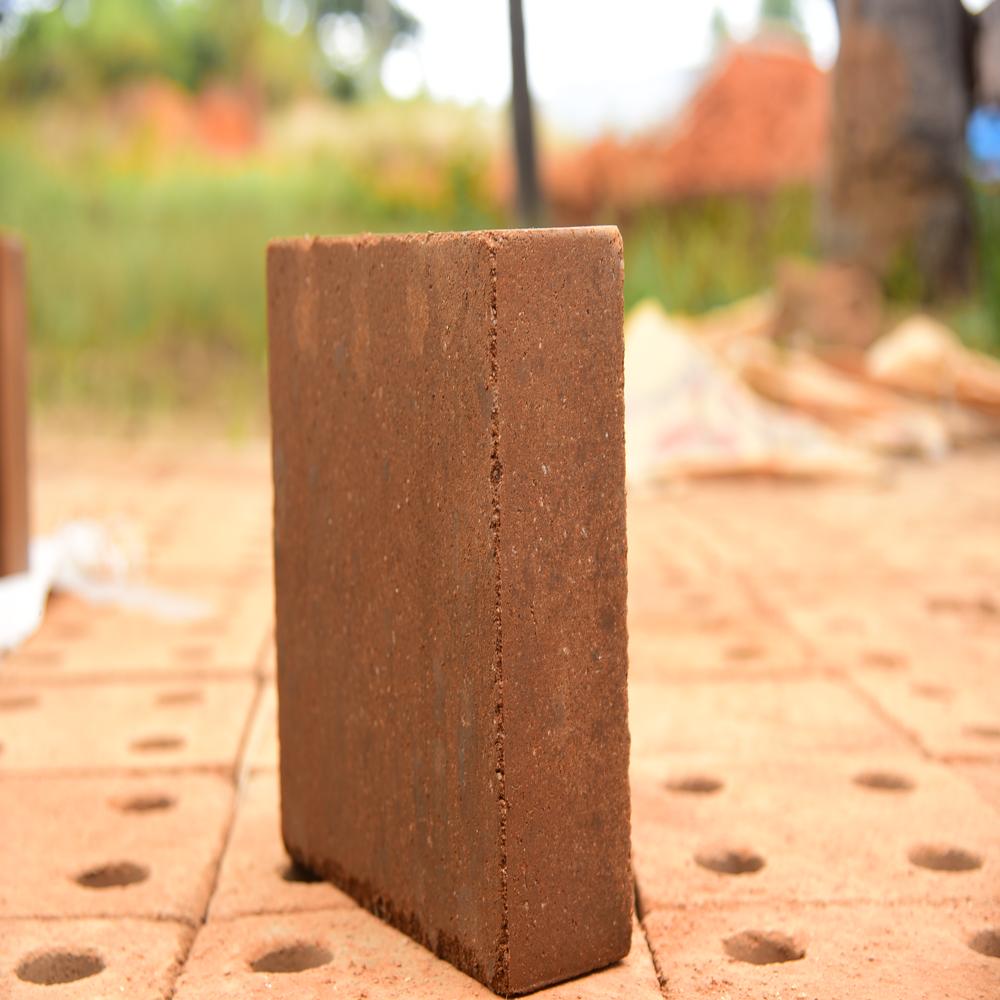
c. Colour and texture: Mud blocks commonly have earthy colours such as brown, reddish-brown, yellowish-brown, or grey, depending on the local soil. Their surface texture may be smooth or slightly rough.
d. Density: Density depends on the degree of compaction and the materials used. Higher compaction can improve the uniformity and strength of a suitable earth mixture.
The compressive strength of a mud block depends on its soil composition, manufacturing technique, compaction, moisture content, curing, and stabilization. Blocks intended for structural use must be tested to confirm that they satisfy the applicable building requirements.
Mud blocks can provide satisfactory durability when they are manufactured correctly and protected from excessive water exposure. However, untreated earth blocks may deteriorate when exposed to prolonged rain, rising damp, or flooding.
Suitable foundations, a damp-proof course, roof overhangs, protective plaster or finishes, and effective drainage help improve the durability of mud-block walls.
Mud blocks can help maintain comfortable indoor temperatures because earth materials generally have useful thermal mass. They can absorb heat during warmer periods and release it gradually as conditions change. Actual thermal performance depends on wall thickness, density, climate, insulation, and construction details.
Mud-block walls can also reduce the transmission of some outdoor sounds. Their acoustic performance depends on the mass of the wall, joints, openings, plaster, and overall building design.
Mud blocks offer several environmental advantages:
They can be manufactured using locally available soil.
They may require less energy than many kiln-fired building products, particularly when naturally dried.
They can reduce transportation requirements when produced near the construction site.
They support the use of natural and regionally available materials.
Their environmental impact can be reduced further through careful material selection and efficient production.
However, the environmental benefits depend on the manufacturing process. Cement- or lime-stabilized blocks, for example, have additional embodied impacts associated with their stabilizers.
Mud blocks of this size may be considered for various construction applications, subject to verification of their strength, dimensions, and suitability.
Residential buildings: They may be used in suitable low-rise housing projects designed for earth construction.
Partition walls: They may be suitable for internal partitions where the required stability and load capacity are established.
Sustainable buildings: They can be incorporated into environmentally conscious construction projects.
Rural construction: Locally produced blocks can be useful where suitable soil and skilled labour are available.
Garden and landscape structures: They may be used in selected non-critical applications when adequately protected against moisture.
Architectural features: Their natural appearance can be used in decorative walls and other design elements.
The block's dimensions alone do not establish whether it is suitable for load-bearing walls. Structural applications require appropriate engineering design and testing.
The main advantages include:
Economical construction: Locally sourced soil may reduce raw-material and transportation costs.
Natural appearance: Earthy colours and textures create a traditional architectural finish.
Thermal comfort: Earth materials can help moderate indoor temperature fluctuations.
Reduced embodied energy: Naturally dried blocks may require less production energy than fired bricks.
Local employment: Production can support local workers and small-scale manufacturing.
Design flexibility: Mud blocks can be incorporated into various architectural styles.
Potential resource efficiency: Suitable soil can be used productively when extraction is managed responsibly.
Despite their advantages, mud blocks require careful material selection and construction practices.
Moisture sensitivity: Unprotected blocks may weaken or erode under prolonged exposure to water.
Variable strength: Differences in soil composition and manufacturing quality can lead to inconsistent performance.
Shrinkage and cracking: Improper moisture control or drying may cause cracks.
Need for protection: Foundations, drainage, roof overhangs, and suitable surface finishes are important.
Quality testing: Compressive strength, water absorption, dimensional consistency, and other relevant properties should be checked.
Structural design: Load-bearing walls must be designed and constructed according to applicable standards and local regulations.
Before using 9 9 4-inch mud blocks in a building project, the following checks are recommended:
Verify the dimensions and shape of the blocks.
Inspect the blocks for visible cracks, damage, and uneven surfaces.
Check the consistency of the soil mixture and the manufacturing process.
Test compressive strength using the appropriate method.
Evaluate water absorption and durability where required.
Confirm compliance with the applicable earth-block standards and project specifications.
For construction in India, the relevant Indian Standards and local building regulations should be consulted to determine the appropriate testing and design requirements.
Mud blocks measuring 9 9 4 inches are potential building units for sustainable and environmentally conscious construction. Their suitability depends on the quality of the soil, manufacturing method, density, strength, moisture resistance, and intended use.
When properly manufactured, tested, and protected from moisture, mud blocks can contribute to comfortable and resource-efficient buildings. Careful planning, quality control, and appropriate structural design are essential to ensure safe, durable, and economical construction.
Note: This description assumes that the specified dimensions are in inches. Confirm the block's orientation and actual manufactured dimensions before using this description in a technical specification or construction report.

Price:

Price 28.0 INR / Number
Minimum Order Quantity : 498
Method : Other, Mechanically pressed and stabilized
Density : 1800 Gram per cubic centimeter(g/cm3)
Thermal Conductivity : 0.61.0 W/mK
Material : Other

Price 16.0 INR / Number
Minimum Order Quantity : 1000
Method : Other, Machine Pressed
Density : 1700 Gram per cubic centimeter(g/cm3)
Thermal Conductivity : Approx. 0.72 W/mK
Material : Other

Price 32.0 INR / Number
Minimum Order Quantity : 500
Method : Other, Manual/Mechanical Pressing
Density : 1700 Gram per cubic centimeter(g/cm3)
Thermal Conductivity : 0.61.0 W/mK
Material : Other

Price 16.0 INR / Number
Minimum Order Quantity : 999
Method : Other, Manual or Machine Compressed
Density : 1700 Gram per cubic centimeter(g/cm3)
Thermal Conductivity : 0.66 W/mK
Material : Other


 Send Inquiry


 Send Inquiry
